In recent years, the agricultural industry has witnessed a remarkable transformation driven by technological innovation and material science. Among these advancements, non-woven polyfabrics manufacturers in India have emerged as a revolutionary solution for enhancing productivity, improving crop protection, and reducing environmental impact. These fabrics, made from polypropylene, offer unique benefits such as breathability, flexibility, and strength, making them ideal for modern farming applications.
Savitridevi Polyfabrics, one of the top non woven polyfabrics manufacturers in India, is leading the way in producing high-quality agricultural non woven fabrics designed to meet diverse farming needs. Their products are extensively used for garden building materials, agricultural protective coverings, frost protection, and weed control. These fabrics create a favourable environment for plant growth and help shorten maturation times, ensuring healthier crops and higher yields.
The Growing Role of Non-Woven Fabrics in Agriculture
Although agriculture is not the largest consumer of non-woven materials, its adoption is steadily increasing each year. Farmers are becoming more aware of the cost-effective advantages that non-woven technology offers. These fabrics play a crucial role in protecting crops from weather fluctuations, pests, and diseases while supporting better soil management and water conservation.
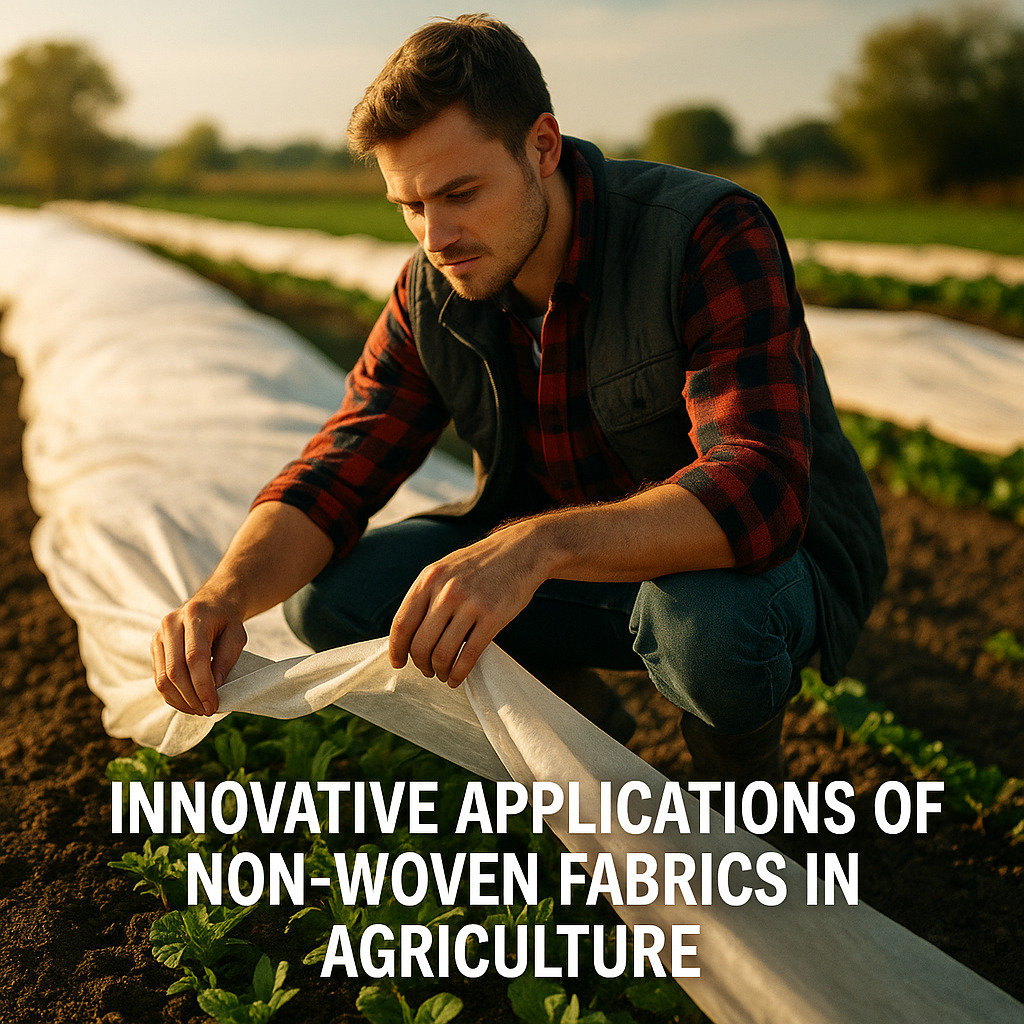
As non woven polyfabrics manufacturers in India continue to innovate, the range of agricultural applications has expanded beyond conventional uses. Non-woven fabrics are now being employed in greenhouses, nurseries, and open-field cultivation to regulate temperature, retain moisture, and ensure consistent growth conditions for crops.
Characteristics That Make Non-Woven Fabrics Ideal for Farming
Non-woven fabrics are uniquely engineered to meet the demanding needs of agriculture. Here are some of their key characteristics:
Temperature Control: They help maintain an optimal temperature for crops, protecting them from excessive heat during summer and frost during winter.
Light Transmission: They allow sufficient sunlight to pass through, promoting photosynthesis and healthy crop development.
UV Protection: Built-in UV resistance extends the fabric’s life and shields plants from harmful rays.
Weed Suppression: Non-woven sheets effectively block sunlight to prevent weed growth without the use of chemicals.
Enhanced Fertilizer Efficiency: They prevent nutrient loss and help fertilizers act more effectively on the soil.
Pest and Disease Control: Acting as a physical barrier, they minimize insect infestations and reduce crop losses.
These qualities make non-woven fabrics an essential tool for eco-friendly and sustainable agriculture.
Advantages of Using Non-Woven Fabrics in Agriculture
The agricultural benefits of non-woven fabrics extend well beyond crop protection. Non woven polyfabrics manufacturers in India, such as Savitridevi Polyfabrics, focus on developing materials that enhance every stage of cultivation from planting to harvest.
- Heat Retention
Non-woven fabrics have superior thermal insulation properties compared to plastic films. They retain warmth during cold nights, ensuring consistent growth and preventing temperature-related crop stress. - Air Permeability and Humidity Control
The overlapping fibre structure of polypropylene allows the fabric to “breathe.” This means air, moisture, and nutrients can circulate naturally, maintaining ideal humidity levels for crops in greenhouses or open fields. - Cooling and Shading
Different colored non-woven fabrics, especially black, are used to provide shading and cooling. These fabrics reduce solar radiation, preventing overheating and protecting delicate crops during intense summer months. - Weed and Pest Management
By acting as a barrier, non-woven sheets suppress weed growth and protect crops from pests without the need for harmful pesticides. This not only reduces chemical dependency but also promotes organic farming. - Water Management
Non-woven fabrics play an essential role in irrigation efficiency. They can be used to regulate soil moisture levels, ensuring water is distributed evenly and preventing both waterlogging and drought stress.
Innovative Agricultural Applications of Non-Woven Fabrics
With continuous R&D by non woven polyfabrics manufacturers in India, new and innovative uses for these materials are emerging every year. Some of the most promising applications include:
- Crop Covers and Frost Protection
Non-woven crop covers act as protective shields against frost, wind, and heavy rain. They allow air and light to pass through while maintaining warmth, thus extending the growing season. - Ground and Line Covering
Farmers use non-woven ground covers to protect soil structure, prevent erosion, and control weed growth. These covers are durable, biodegradable, and easy to install. - Capillary Matting
In horticulture, capillary matting made from non-woven fabric is used to distribute moisture uniformly to plant roots. This innovation promotes efficient water usage and reduces irrigation frequency. - Greenhouse Applications
Inside greenhouses, non-woven fabrics serve as shading material, insulation layers, and temperature control sheets. Their high light diffusion capacity ensures even sunlight distribution, reducing hot spots and enhancing plant growth. - Insulation Material for Plant Beds
Non-woven insulation sheets are often used beneath grass or crop covers to improve thermal efficiency. This dual-layer approach keeps soil temperatures 2–3°C higher during cold conditions, benefiting vegetable cultivation and nursery plants. - Seed Germination and Mulching
Non-woven mulching sheets protect seeds during germination, maintain consistent soil temperature, and minimize weed growth, leading to healthier seedlings and higher productivity.
Sustainability and Environmental Benefits
One of the main reasons why non-woven polyfabrics manufacturers in India are gaining attention is their commitment to sustainability. Non-woven materials are eco-friendly and often recyclable. Their use in agriculture reduces reliance on single-use plastics and harmful chemical pesticides, promoting greener and more sustainable farming practices.
Moreover, since non-woven fabrics are lightweight yet durable, they significantly lower transportation and installation costs. Farmers can reuse them across multiple growing seasons, making them a cost-effective solution with long-term environmental benefits.
The Future of Non-Woven Fabrics in Agriculture
The future of non-woven technology in agriculture looks promising. Continuous innovation is leading to the development of advanced materials that are biodegradable, UV-stable, and tailored for specific crops and climates. From smart irrigation systems to temperature-regulating coverings, the potential applications are endless.
Savitridevi Polyfabrics, among the most trusted crop cover manufacturers in Hyderabad, continues to push the boundaries of agricultural material innovation. Their dedication to quality and sustainability ensures that farmers receive durable, efficient, and eco-friendly non-woven solutions that enhance both yield and crop health.
Conclusion
Non-woven fabrics are transforming the way we cultivate crops, offering farmers smarter, safer, and more sustainable solutions. They provide unmatched versatility in protecting plants, conserving water, controlling pests, and managing temperature, all while reducing operational costs.
As non woven polyfabrics manufacturers in india, like Savitridevi Polyfabrics continue to innovate, the agricultural landscape in India is becoming more efficient and environmentally conscious. With their expertise and high-quality materials, they are empowering farmers to embrace modern, sustainable farming practices that ensure long-term growth and productivity.