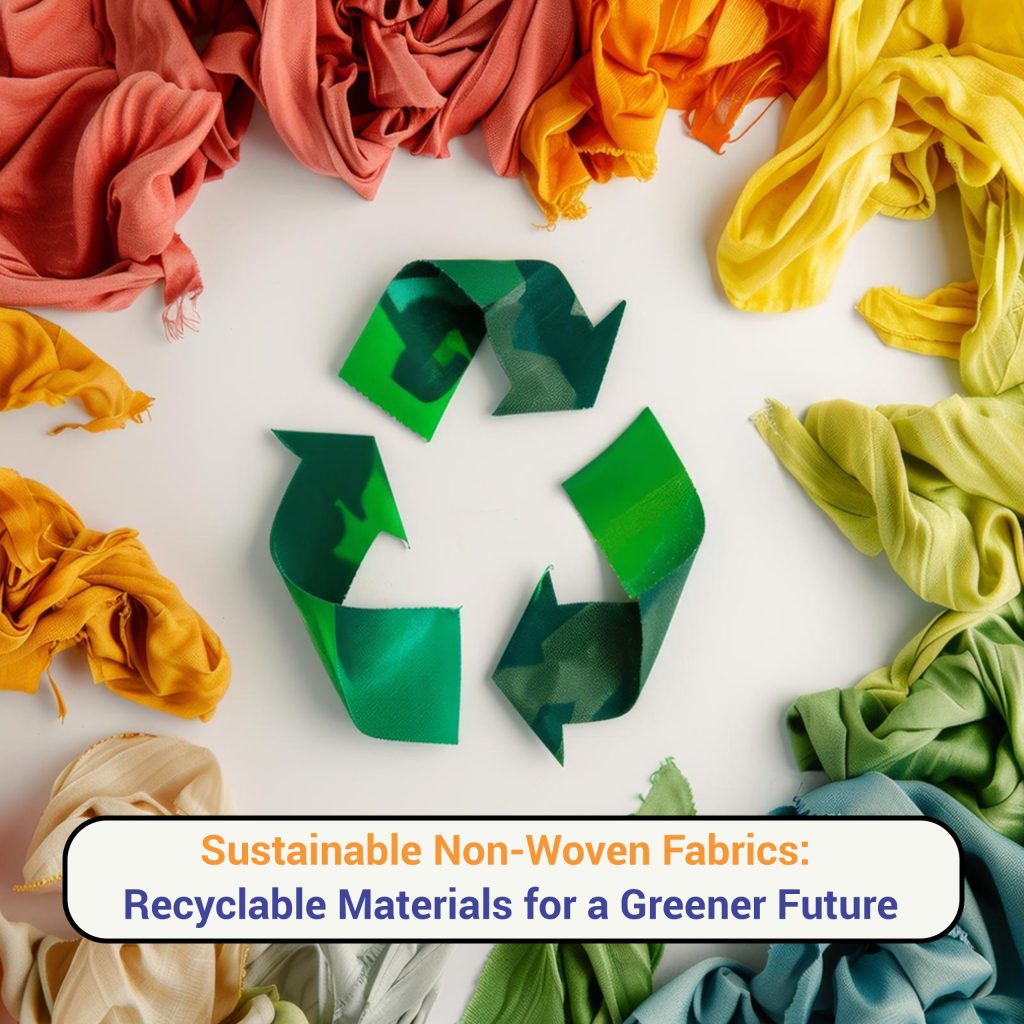
Sustainability has become a critical concern for businesses and consumers alike. As we move towards more environmentally conscious living, industries are seeking ways to reduce their carbon footprint and minimize waste. Sustainable non-woven fabrics have emerged as a leading solution in this pursuit. What makes them even more compelling is their recyclability, which aligns with the growing demand for sustainable, renewable resources. The ability to recycle non-woven fabrics helps businesses reduce their environmental impact significantly. As we explore the advantages of sustainable non-woven fabrics, we will delve deeper into their recyclable properties, the industries that benefit from their use, and how they contribute to a greener future by minimizing waste and promoting circular economy practices. This shift towards using sustainable materials is part of a global movement to rethink how industries produce, consume, and dispose of materials, ultimately aiming for a more sustainable and eco-conscious future. These fabrics, especially those produced by companies like Savitridevi Polyfabrics, are now not only contributing to industrial needs but are also supporting the broader goal of environmental conservation.
Understanding Sustainable Non-Woven Fabrics: Eco-Friendly Innovation
Sustainable non-woven fabrics are produced by bonding fibers together using mechanical, chemical, or thermal methods, rather than traditional weaving or knitting processes. This unique approach allows for the creation of durable and versatile materials without the need for extensive energy-intensive processes. The fibers used in sustainable non-woven fabrics can be made from recycled materials, such as polypropylene non-woven fabric or polyester, and often include biodegradable options that contribute to reducing environmental waste. Non-woven fabrics are also highly functional and used in a variety of industries including healthcare, agriculture, packaging, automotive, and filtration.
Environmental Advantages of Non-Woven Fabrics: Reducing Waste and Emissions
One of the most significant environmental advantages of non-woven fabrics is their contribution to reducing waste. Traditional textile manufacturing processes can result in substantial amounts of waste due to cutting, dyeing, and finishing processes. Non-woven fabrics, on the other hand, are produced in a continuous process that significantly reduces waste generation. The ability to recycle non-woven fabrics after use is another crucial environmental benefit. These fabrics can be collected, processed, and transformed into new products, reducing the strain on natural resources and lowering the overall environmental impact. As the demand for eco-friendly products increases, sustainable non-woven fabrics are becoming a key player in reducing environmental pollution. Additionally, the production of sustainable non-woven fabrics consumes less energy compared to traditional textile manufacturing processes. This is because there is no need for energy-intensive steps such as weaving or dyeing.
Versatility of Sustainable Non-Woven Fabrics Across Industries
One of the most notable industries benefiting from non-woven fabrics is healthcare. Farmers use these fabrics for crop protection, ground cover, and mulching. The lightweight yet durable nature of non-woven fabrics makes them ideal for protecting crops from the elements while still allowing for air and water permeability. This helps improve soil health and boosts crop yields. Furthermore, sustainable non-woven fabrics are being used in the packaging industry as an eco-friendly alternative to plastic. The automotive industry also benefits from non-woven fabrics, using them for car seats, upholstery, headliners, and filters. The use of recyclable non-woven fabrics in automotive applications contributes to making vehicles more sustainable and environmentally friendly.
Unique Features of Recyclable Non-Woven Fabrics: Durability, Breathability, and Softness
One of the standout features of non-woven fabrics is their durability. Non-woven fabrics meet these requirements, ensuring protection while still allowing airflow. The breathable nature of these fabrics ensures that air can circulate freely, which is crucial for applications such as medical gowns and face masks. This characteristic is one of the reasons non-woven fabrics are used extensively in the healthcare industry. Another important feature is their softness, making them suitable for use in products like diapers, wipes, and personal hygiene products.
Looking Ahead: The Future of Sustainable Non-Woven Fabrics
Another exciting development is the integration of sustainable non-woven fabrics into new industries, such as construction and consumer goods. As industries continue to prioritise sustainability, sustainable non-woven fabrics will undoubtedly become an integral part of a greener future.
Conclusion:
In conclusion, sustainable non-woven fabrics offer a compelling solution for businesses and industries seeking to reduce their environmental impact. The ability to recycle non-woven fabrics further contributes to a circular economy, helping to reduce waste and conserve resources. By embracing these materials, industries can help build a greener, more sustainable future while meeting the needs of consumers who are more environmentally conscious than ever before. Companies like Savitridevi Polyfabrics are leading the way in manufacturing green non-woven fabric materials, paving the path for industries to contribute positively to environmental conservation.
FAQs
1. What are sustainable non-woven fabrics made from?
Sustainable non-woven fabrics are made from recycled materials like polypropylene non-woven fabric and biodegradable fibers, reducing the need for virgin resources.
2. How are recyclable non-woven fabrics better for the environment?
They can be recycled and reused, reducing waste and conserving natural resources, supporting a circular economy.
3. What industries use non-woven fabrics?
Industries such as healthcare, agriculture, packaging, and automotive use non-woven fabrics for products like gowns, mulch, and car upholstery.
4. Are non-woven fabrics biodegradable?
Yes, many non-woven fabrics are biodegradable, making them more eco-friendly compared to traditional synthetic textiles.
5. How do I choose the right sustainable non-woven fabric for my business?
Consider material type, durability, and your industry needs. Partnering with experts like Savitridevi Polyfabrics ensures the best choice for sustainability.