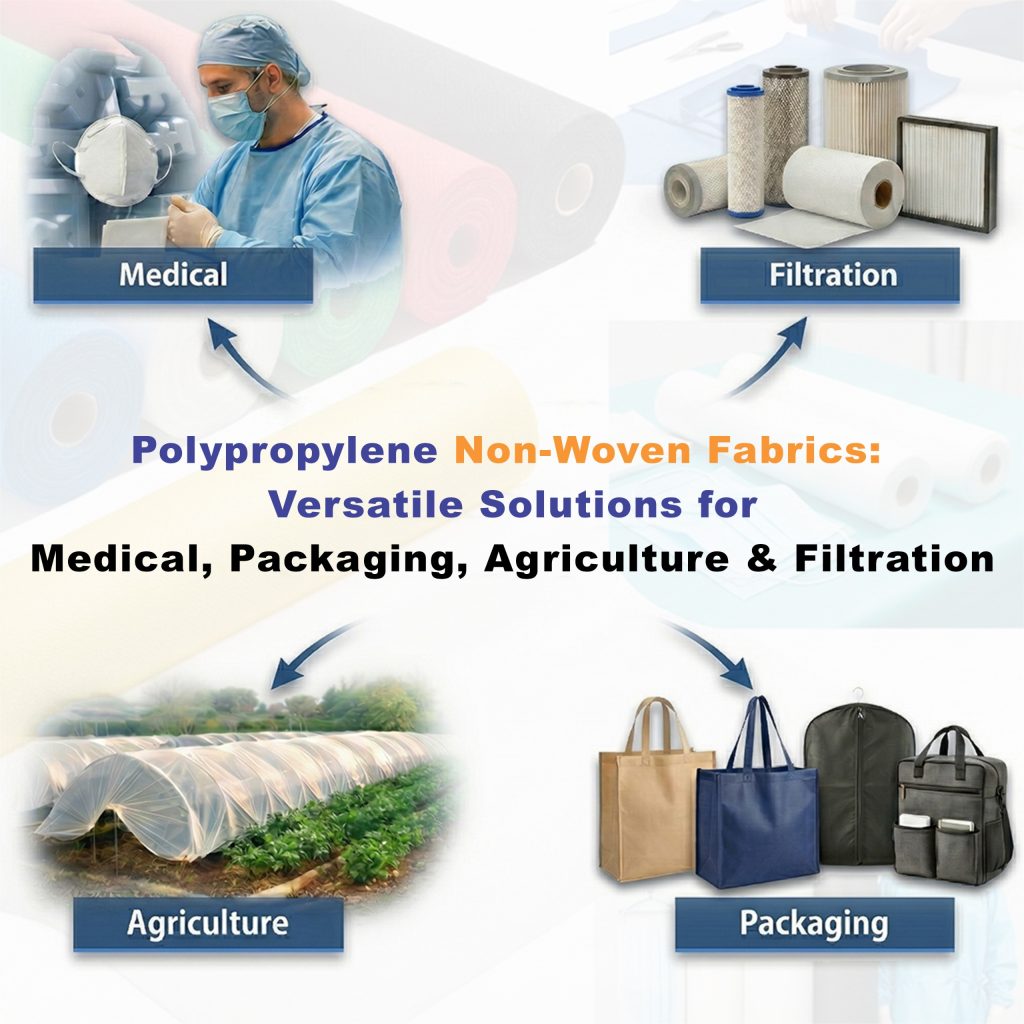
Polypropylene non-woven fabrics are synthetic materials made from polypropylene fibers, which are bonded together using various methods, such as mechanical, chemical, or thermal processes, without the need for weaving or knitting. These fabrics have quickly become an essential material across several industries, including medical, packaging, agriculture, and filtration. They are lightweight, cost-effective, durable, and versatile, making them suitable for a wide range of applications. Include personal protective equipment, packaging materials, agricultural covers, and air and water filtration products. The growing demand for sustainable, eco-friendly materials has significantly contributed to the rise of polypropylene non-woven fabrics, as they are not only efficient but also environmentally friendly. One of the key advantages of these fabrics is that they are highly customizable, allowing businesses to create tailored solutions that meet specific needs in various sectors. Savitridevi Polyfabrics, a leading manufacturer in India, produces high-quality polypropylene non-woven fabrics for multiple industries, ensuring that customers get durable and reliable materials for a wide range of applications. As the need for sustainable materials increases, polypropylene non-woven fabric will continue to evolve, offering innovative solutions for businesses seeking eco-friendly options.
Medical Use Cases for Polypropylene Non-Woven Fabrics
In the medical industry, polypropylene non-woven fabric is indispensable. This fabric is used in products such as surgical gowns, masks, wound dressings, bandages, and other protective medical wear. The key reason for its popularity in the medical field is its combination of breathability, comfort, and protection. For instance, surgical gowns made from spunbond polypropylene non-woven fabric provide healthcare workers with a vital liquid-resistant barrier, preventing the transmission of pathogens, bodily fluids, and other contaminants. This barrier is essential in maintaining sterility during medical procedures, ensuring the safety of both medical professionals and patients. The fabric is also lightweight, allowing for extended wear during long surgeries or medical procedures, while its breathable nature helps ensure comfort throughout the process.
In wound care, polypropylene non-woven fabrics are used to make dressings and bandages due to their ability to absorb exudates and moisture while still allowing air circulation around the wound. This promotes a healthy healing environment by reducing the chance of infection and speeding up recovery times. The gentle texture of polypropylene non-woven fabric also minimizes skin irritation, making it ideal for sensitive areas.
Surgical Gowns: A Critical Component of Healthcare
Surgical gowns made from polypropylene non-woven fabric are a cornerstone of medical protection. They provide an essential barrier that helps prevent the transmission of infectious agents, bodily fluids, and other harmful materials during surgeries. The liquid-resistant properties of spunbond polypropylene non-woven fabric make it particularly well-suited for use in surgical environments. These gowns are designed to protect healthcare professionals while maintaining comfort and breathability during long medical procedures.
Wound Dressings and Bandages: Promoting Faster Recovery
In wound care, polypropylene non-woven fabrics are highly beneficial due to their high absorbency and gentle texture. These fabrics are used in wound dressings and bandages, where their unique properties help manage moisture and promote healing. As healthcare facilities continue to prioritize advanced wound care solutions, Savitridevi Polyfabrics is a trusted supplier of polypropylene non-woven fabrics, providing high-quality materials that promote faster healing and improved patient comfort.
Polypropylene Non-Woven Fabrics for Packaging Solutions
The packaging industry is another sector that benefits greatly from polypropylene non-woven fabrics. Polypropylene non-woven fabric applications in packaging include reusable shopping bags, carry bags, and food packaging materials. Reusable bags made from polypropylene non-woven fabrics are durable, lightweight, and strong enough to carry heavy items without tearing. This makes them an excellent alternative to single-use plastic bags, which are a significant environmental concern.
Food Packaging: Enhancing Freshness and Quality
In food packaging, polypropylene non-woven fabrics are used to help preserve the freshness and quality of perishable products. These fabrics are moisture-resistant, which is essential for keeping food items like bakery products, fruits, vegetables, and dairy products fresh during transport and storage. The breathability of polypropylene non-woven fabrics allows air to circulate, reducing the chances of spoilage or moisture buildup inside the packaging. By preventing excess moisture, these fabrics help preserve the texture and flavor of food products, ensuring they remain in optimal condition. The lightweight nature of polypropylene non-woven fabrics also reduces transportation costs while maintaining product quality.
Agricultural Benefits of Polypropylene Non-Woven Fabrics
Polypropylene non-woven fabrics have become essential in the agriculture sector due to their versatility and ability to help increase crop production and promote sustainability. These fabrics are used for applications such as weed control, crop protection, and greenhouse covers. This leads to healthier crops and higher yields. Polypropylene non-woven fabric also helps reduce the need for harmful herbicides, making it a more sustainable alternative for weed management. The lightweight and UV-resistant properties of polypropylene non-woven fabrics make them an effective tool for protecting crops while ensuring that they continue to grow optimally. In greenhouses, polypropylene non-woven fabrics regulate temperature, humidity, and light levels, creating the ideal environment for plant growth. These fabrics block harmful UV rays while still allowing beneficial sunlight to penetrate, helping plants thrive in controlled environments. Savitridevi Polyfabrics provides high-quality polypropylene non-woven fabrics that support the agricultural industry by promoting sustainable practices and increasing crop productivity.
Weed Control Fabrics for Sustainable Farming
These fabrics create a barrier that prevents weeds from growing while still allowing air, water, and nutrients to reach the soil. By reducing weed competition, these fabrics help improve crop yields and promote more sustainable farming practices.
Greenhouse Covers: Creating the Ideal Growing Environment
The insulating properties of these fabrics help maintain a stable internal environment, extending the growing season and improving crop yields. Savitridevi Polyfabrics provides durable and efficient greenhouse covers, helping to improve agricultural productivity and ensure optimal conditions for plant growth.
Filtration Applications of Polypropylene Non-Woven Fabrics
The filtration industry has widely adopted polypropylene non-woven fabrics due to their ability to trap particles while allowing liquids and gases to pass through. In water filtration, polypropylene non-woven fabrics help remove impurities such as dirt, sand, and debris, ensuring clean and safe water. Savitridevi Polyfabrics produces high-quality polypropylene non-woven fabrics that meet the high filtration standards required by industries worldwide.
Air Filtration: Improving Indoor Air Quality
These filters play a crucial role in protecting individuals from respiratory problems and ensuring a clean, healthy indoor environment.
Water Filtration: Ensuring Clean and Safe Water
Their high filtration efficiency ensures that clean, safe water is available for drinking, industrial use, and other purposes.
Conclusion
Polypropylene non-woven fabrics have proven to be a game-changer across multiple industries, offering cost-effective, high-performance solutions for medical, packaging, agriculture, and filtration applications. Their ability to provide superior protection, strength, and breathability has made them indispensable in sectors like healthcare and agriculture. As sustainability continues to be a priority globally, the use of polypropylene non-woven fabrics will expand, offering businesses eco-friendly, durable solutions. With the ongoing growth in applications like weed control fabrics, greenhouse covers, food packaging, and air filtration, Savitridevi Polyfabrics continues to play a crucial role in providing high-quality polypropylene non-woven fabrics, ensuring innovative solutions and a sustainable future.
If you’re looking for high-quality polypropylene non-woven fabrics for your medical, packaging, agriculture, or filtration needs, Savitridevi Polyfabrics is your trusted supplier. Contact us today to learn more about our products and how we can help your business thrive with sustainable solutions.
FAQs
1. What are the benefits of polypropylene non-woven fabrics?
They are lightweight, moisture-resistant, breathable, cost-effective, and eco-friendly, making them ideal for medical, packaging, agriculture, and filtration.
2. How are polypropylene non-woven fabrics used in the medical industry?
They are used for surgical gowns, masks, wound dressings, and bandages, offering barrier protection and ensuring sterility during medical procedures.
3. What is spunbond polypropylene non-woven fabric used for?
It’s used in surgical gowns, protective wear, wound dressings, and packaging due to its strength and durability.
4. How do polypropylene non-woven fabrics contribute to sustainability?
They are reusable, lightweight, and eco-friendly, reducing plastic waste and supporting sustainable practices in packaging and agriculture.
5. What industries use polypropylene non-woven fabrics?
They are used in medical, packaging, agriculture, and filtration for products like surgical gowns, food packaging, and weed control fabrics.
6. Why choose Savitridevi Polyfabrics for polypropylene non-woven fabrics?
We provide high-quality, durable, and eco-friendly fabrics for medical, packaging, agriculture, and filtration, ensuring optimal performance and sustainability.